ISBMとSBM:PETボトルに最適な技術の選択

A Definitive Guide on Scale, Precision, and Production Flexibility (2026 Edition)

1. Introduction: The One-Step vs. Two-Step Dilemma

In the competitive world of PET (Polyethylene Terephthalate) packaging, manufacturers are constantly forced to choose between two dominant manufacturing philosophies: 射出延伸ブロー成形(ISBM), often referred to as the “One-Step” process, and Stretch Blow Molding (SBM), commonly known as the “Two-Step” process. While both technologies aim to produce high-quality PET containers, their mechanical approaches, economic impacts, and operational footprints are worlds apart.

The decision-making process is frequently oversimplified. Many procurement teams focus solely on the machine’s price tag, ignoring critical variables such as latent logistical costs, contamination risks, and thermal efficiency. This guide provides a deep-dive comparison to help packaging leaders at companies like ISBMソリューション navigate the complexities of scale, precision, and manufacturing flexibility.

2. Technical Principles: From Resin to Finished Bottle

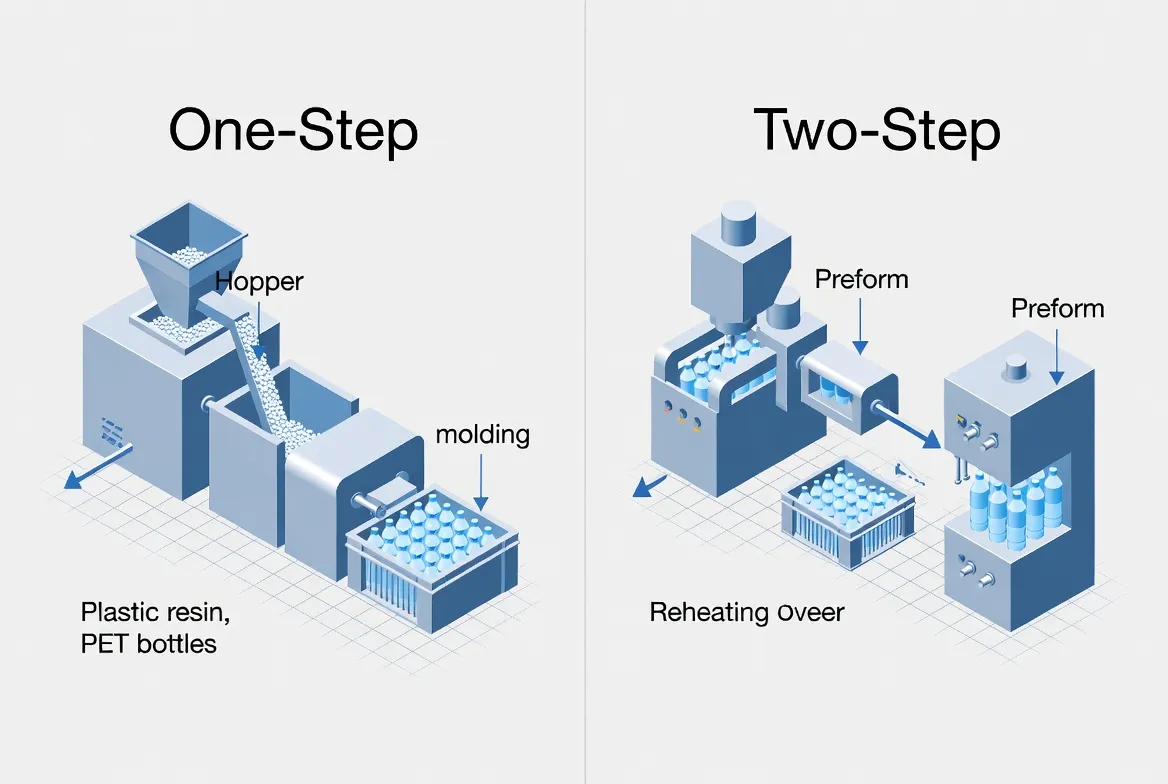
Production Line Logic Comparison Diagram

The One-Step ISBM Process

The One-Step ISBM technology integrates the entire production cycle—from raw resin injection to the final blown bottle—within a single machine. The process begins with the injection molding of a preform. Crucially, the preform is not allowed to cool down completely. Instead, it is transferred while still retaining its internal heat (residual heat) to the blowing station. Here, it is mechanically stretched by a rod and blown with high-pressure air.

This integration eliminates the need to store and reheat preforms, significantly reducing energy consumption and the risk of surface damage. For manufacturers, this means a “cleaner” process both in terms of hygiene and visual aesthetics.

The Two-Step SBM Process

The Two-Step SBM process separates the manufacturing into two distinct phases, often occurring at different times or even in different locations. Phase one involves high-speed injection molding of preforms, which are then cooled, boxed, and stored. Phase two (Reheat Stretch Blow Molding) involves feeding these cold preforms into a separate machine where they pass through infrared ovens to be reheated before being blown into bottles.

3. Scalability: Mass Production vs. Custom Agility

When discussing Applicable Scale , the winner depends entirely on your target output. SBM is the undisputed champion of sheer volume. Large-scale Two-Step rotary blowing machines can produce upwards of 80,000 bottles per hour, making them ideal for global beverage giants in the carbonated soft drink (CSD) and bottled water sectors.

However, ISBM wins in the realm of agility and footprint efficiency. One-Step machines are typically designed for medium-to-high volumes where variety is high. Because the machine is a self-contained ecosystem, you do not need thousands of square feet for preform inventory storage. In high-rent industrial zones, the space-saving nature of ISBM significantly reduces the “hidden” cost of production.

Expert Insight: While SBM offers lower cost-per-unit at ultra-high volumes, ISBM offers lower Total System Cost for production runs that require frequent SKU changes or premium material handling.

4. Precision & Aesthetics: The Zero-Scratch Advantage

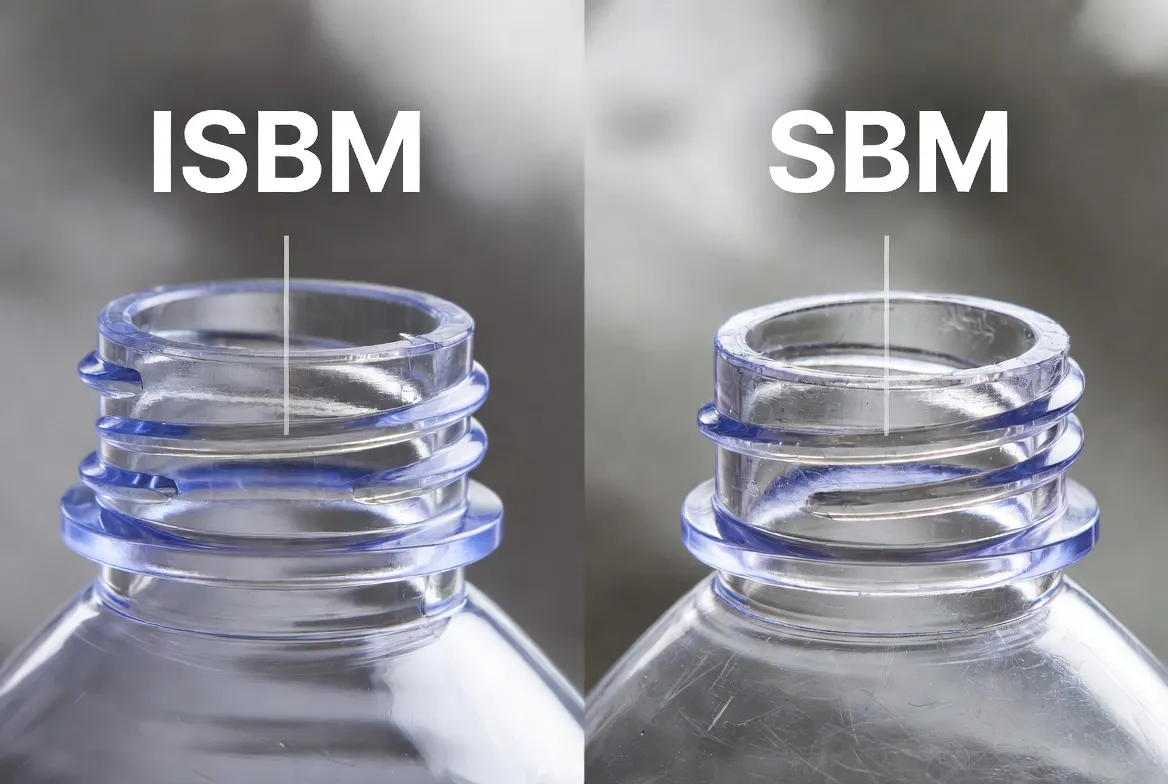
For the pharmaceutical and high-end cosmetic industries, Precision  is not negotiable. This is where ISBM outshines SBM. In the Two-Step process, preforms are tumbled into hoppers and conveyed through various tracks, which inevitably leads to microscopic scratches (scuffing) on the preform surface. When blown, these scratches expand, resulting in a “hazy” or “scratched” appearance on the final bottle.

Comparison of PET Bottle Neck Precision and Surface Quality

In One-Step ISBM, the preform never touches another preform. It is transferred by a robotic arm from the injection cavity to the blow mold. This “no-contact” handling ensures:

  • Optical Clarity: A glass-like finish essential for premium spirits and skincare products.
  • Thread Integrity: High-precision neck finishes that ensure zero-leakage for volatile pharmaceutical chemicals.
  • Biological Safety: Reduced risk of contamination, as the material isn’t exposed to warehouse dust or human handling during an intermediate cooling phase.

5. Production Flexibility : Handling the Unconventional

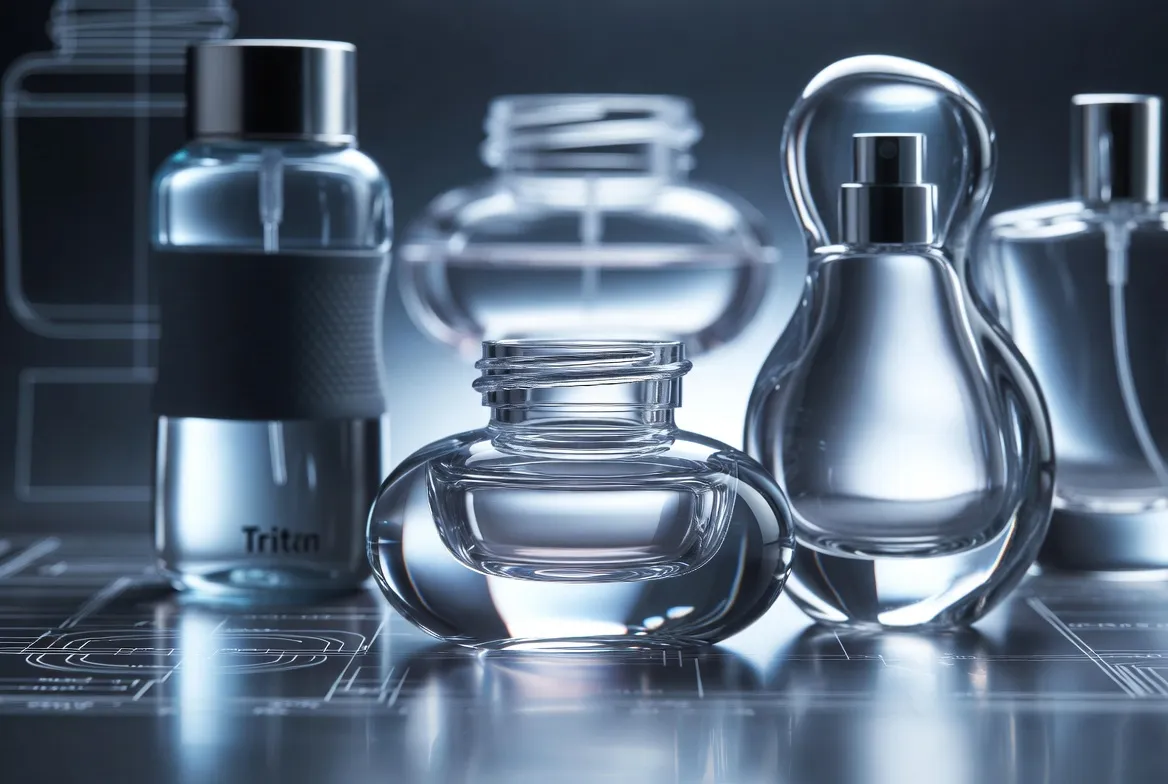
While SBM machines are highly optimized for standard PET, they often struggle with specialized resins. 柔軟性  is a core strength of the One-Step ISBM platform. Because the thermal profile of the preform is managed precisely within a single cycle, ISBM can effortlessly process materials like:

Material Type ISBM Performance SBM Performance
Tritan / PC Excellent (Stable thermals) Poor (Difficult to reheat)
Heavy-Wall PET Superior (Uniform heat) Challenging (Core vs Surface heat)
Oval/Irregular Shapes High (Preferential heating) 適度

ISBM Versatile Material Adaptability Demonstration

For a contract manufacturer who needs to switch from a shampoo bottle to a pharmaceutical jar in a single shift, the Mold Changeover Time in modern ISBM machines is a critical competitive advantage.

6. The Economics of Choice: Beyond CAPEX

A common misconception is that ISBM is always more expensive because the machine price is higher than a standalone blower. However, a professional Return on Investment (ROI) analysis must include:

CAPEX Consolidation

To run a Two-Step SBM line, you need: An injection molding machine for preforms + A blow molding machine + Conveyor systems + Storage silos. ISBM combines all of these into a single capital expense, often leading to a lower Total Initial Investment when comparing a complete turnkey line.

Energy & OPEX

In SBM, you pay to heat the plastic, pay to cool it down, and then pay again to reheat it for blowing. ISBM utilizes the latent heat from the injection stage, cutting reheating energy costs by up to 25-30%. Furthermore, the Scrap Rate  is significantly lower in ISBM due to the stable, integrated control loop.

Material Lightweighting

Advanced ISBM machines allow for superior control over wall thickness distribution. By placing material exactly where it is needed for structural integrity, manufacturers can achieve “lightweighting” goals, saving thousands of tons of PET resin annually.

Decision Matrix: Which Technology Wins?

Choose ISBM (One-Step) if:

  • High clarity/aesthetics are critical.
  • Small-to-medium production footprints.
  • Pharmaceutical/Clean-room requirements.
  • Specialty resins (PC, Tritan, PP).
  • High product variety/frequent changeovers.

Choose SBM (Two-Step) if:

  • Ultra-high volume (Millions of bottles).
  • Standard water/CSD shapes.
  • Preforms are purchased from third parties.
  • Focus is on the lowest possible unit cost.
  • Logistics allow for preform transportation.

7. Conclusion: Future-Proofing Your PET Production

As we move into 2026, the trend in packaging is shifting toward personalization and sustainability. While SBM will always maintain its stronghold in the mass-commodity market, the One-Step ISBM technology is rapidly expanding its footprint due to its superior energy profile and ability to handle recycled PET (rPET) with high precision.

射出延伸ブロー成形機メーカー

At ISBMソリューション, we help manufacturers evaluate these variables with precision. Choosing the right technology isn’t just about blowing a bottle; it’s about engineering a competitive advantage that lasts for the next decade of production.

Maximize Your ROI with Custom ISBM Solutions

Unsure which technology fits your current production scale? Our experts provide free ROI analysis and turnkey machine consultations.

Get a Professional Consultation Now