The 2026 Definitive Equipment Selection Guide for Plastic Packaging Manufacturers
1. Introduction: The Generational Shift in Drive Technology
In the highly competitive plastic packaging industry, profit margins are constantly under pressure from fluctuating resin prices and rising global energy costs. Simultaneously, the push for strict environmental compliance and ESG (Environmental, Social, and Governance) targets has revolutionized how plant managers evaluate production lines. The choice of drive technology is no longer a mere technical preference; it is a core business strategy that directly dictates long-term profitability.
The debate between an electric ISBM machine vs hydraulic ISBM machine represents the most critical crossroad in modern equipment procurement. On one side, hydraulic systems have dominated the industry for decades, offering robust clamping forces and a lower initial purchase price. On the other side, all-electric servo-driven machines promise unprecedented precision, massive energy savings, and zero-contamination environments.
This comprehensive guide bypasses surface-level comparisons to deliver a deep-dive analysis of Total Cost of Ownership (TCO), kinematic precision, micro-level resin savings, and cleanroom compliance. By understanding the mechanical realities behind the marketing claims, manufacturers can align their capital expenditure (CAPEX) with their operational goals to secure a distinct competitive advantage for the next decade of production.
2. Technical Principles: The Mechanics of Power
To accurately assess the economic impact of these technologies, one must first understand the fundamental differences in how they generate, distribute, and apply kinetic energy.
The Hydraulic ISBM System
Hydraulic machines rely on a centralized electric motor that continuously drives a pump to circulate hydraulic fluid (oil) throughout a network of hoses, valves, and cylinders. To perform an action—such as closing the mold or injecting resin—directional valves open to allow the pressurized oil to move a piston.
The inherent flaw in traditional hydraulics is “idle waste.” The pump must often run continuously to maintain system pressure, even during the cooling phases of the cycle when no mechanical movement is occurring. Furthermore, energy is lost through fluid friction and heat generation, necessitating external cooling towers or chillers just to keep the hydraulic oil at an optimal operating temperature.
The All-Electric Servo System
All-Electric ISBM machines completely eliminate hydraulic fluid. Instead, every distinct movement (injection, mold clamping, stretching, ejection) is powered by an independent, high-torque AC servo motor connected to precision ball screws or toggle kinematics.
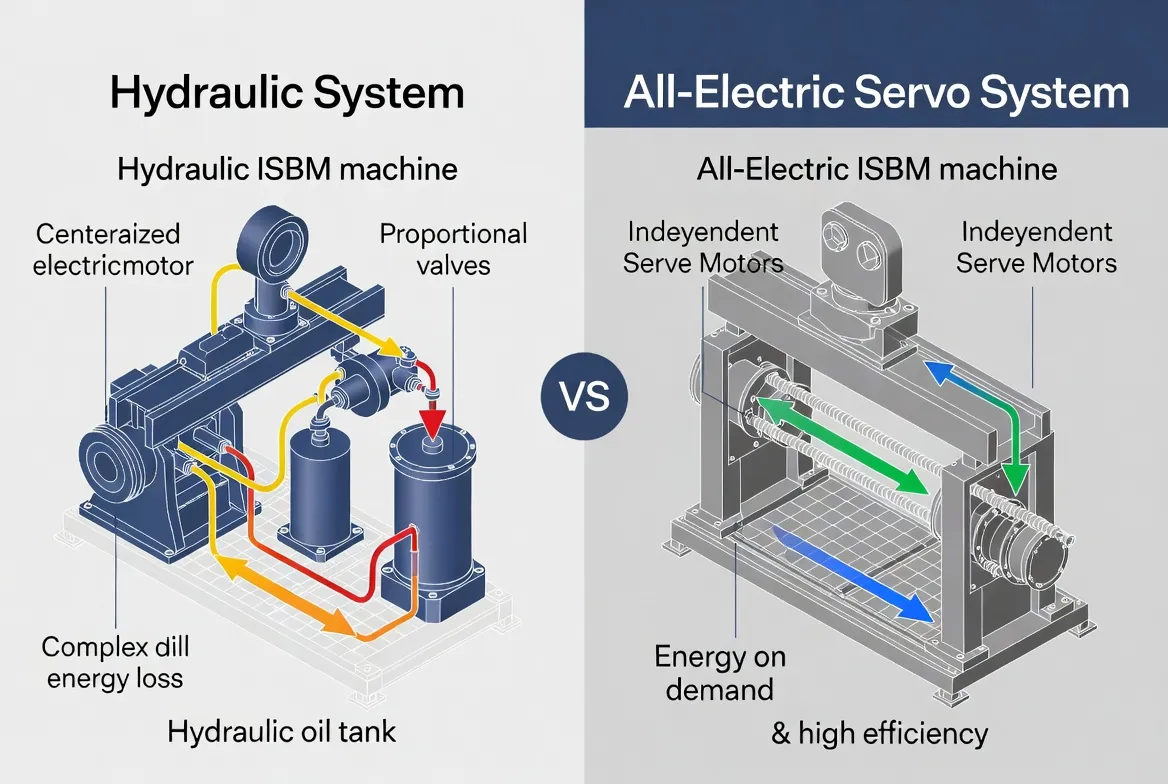
The defining characteristic of an all-electric system is “energy on demand.” A servo motor only consumes power when it is actively moving a component. During the holding, cooling, or idle phases, the motor draws virtually zero electricity. Furthermore, the direct mechanical linkage between the motor and the moving part eliminates the sluggish response times associated with fluid compression and valve latency.
3. Core Performance Metrics: Energy, Precision, and Maintenance
When placing an electric ISBM machine against its hydraulic counterpart, the operational differences become starkly evident across three primary dimensions.
A. Energy Consumption and Efficiency
Energy costs represent one of the largest ongoing expenses in blow molding. Hydraulic machines typically suffer from a 30-40% energy loss simply through the generation and regulation of hydraulic pressure. In contrast, all-electric machines convert up to 85-90% of their electrical input directly into kinetic output.
Field data consistently demonstrates that all-electric ISBM machines consume 50% to 70% less electricity than equivalent hydraulic models. When calculating the power consumption over a standard 6,000-hour production year, this translates to tens of thousands of dollars in direct utility savings per machine.
B. Kinematic Precision and Repeatability
Hydraulic systems are subject to “viscosity drift.” As the machine operates, the hydraulic oil heats up, becoming thinner. This change in viscosity alters the speed and pressure of the moving parts, meaning the machine performs differently at 8:00 AM than it does at 4:00 PM. Operators must continuously monitor and tweak parameters to maintain consistent bottle quality.
All-electric machines utilize closed-loop digital feedback. Encoders on the servo motors track the exact position of components down to the micrometer. Because electricity is not subject to viscosity changes, the 10,000th bottle produced is mechanically identical to the 1st bottle. This absolute repeatability dramatically reduces scrap rates and quality control interventions.
C. Maintenance and Overall Equipment Effectiveness (OEE)
Hydraulic ISBM equipment demands rigorous preventative maintenance. Filters must be changed, oil must be sampled and replaced, and seals inevitably degrade, leading to leaks. Cleaning up hydraulic oil spills and diagnosing complex valve failures results in significant unplanned downtime.
All-electric machines are virtually maintenance-free in comparison. The primary requirement is periodic greasing of the ball screws and linear guides. By eliminating the entire hydraulic infrastructure, all-electric machines boast a substantially higher uptime, directly boosting the plant’s Overall Equipment Effectiveness (OEE).
4. Expert Insights: The “Hidden Value” Competitors Miss
While energy savings are widely advertised, the true economic superiority of all-electric technology lies in three critical, often-overlooked manufacturing capabilities.
Insight 1: Lightweighting ROI Through Micro-Precision
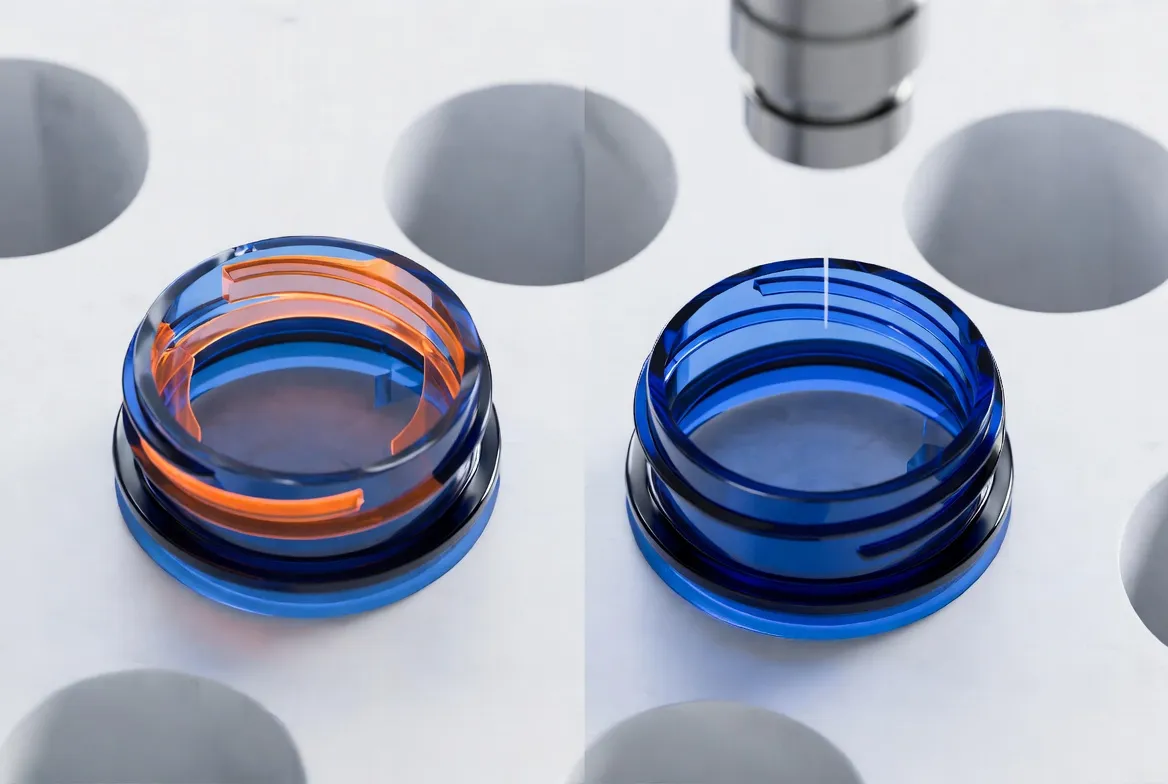
Because all-electric machines offer micrometer-level control over the injection profile and stretch rod speed, manufacturers can achieve perfectly uniform wall thickness. This precise material distribution eliminates the need to overcompensate with excess plastic to avoid weak spots.
By safely reducing the weight of a PET container by just 1.5 grams, a facility producing 20 million bottles annually saves 30,000 kilograms of raw resin. In many high-volume scenarios, the cost savings from this “invisible lightweighting” pays for the premium price of an all-electric machine within the first 12 to 18 months.
Insight 2: Strict Cleanroom Compliance (ISO Standards)
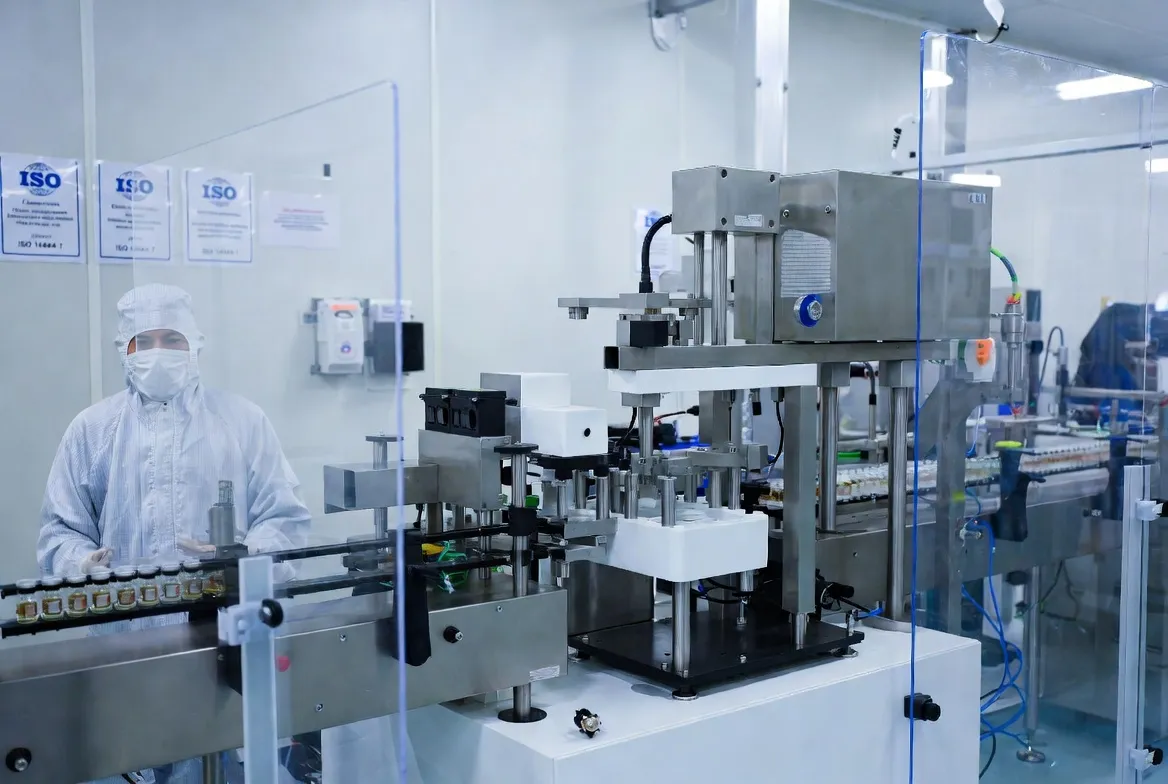
For manufacturers producing pharmaceutical vials, eye drop containers, or premium cosmetics, cleanroom manufacturing is mandatory. Hydraulic machines generate aerosolized oil mist during operation, and the risk of a burst hose contaminating a sterile medical batch is a catastrophic liability.
All-electric machines are inherently clean. With no oil, no mist, and no risk of fluid leaks, they are the only viable solution for seamless integration into ISO Class 7 or Class 8 cleanroom environments. This capability allows manufacturers to capture high-margin contracts in the healthcare and premium personal care sectors.
Insight 3: Cycle Time Compression via Simultaneous Movements
In standard hydraulic systems, a single pump often dictates that movements must occur sequentially (e.g., the mold must fully close before injection begins). All-electric ISBM machines utilize independent servo motors for each axis. This allows for parallel, overlapping operations.
For example, the ejection system can begin operating at the exact millisecond the mold begins to open, and the stretch rod can precisely match the speed of the blow air. This synchronization shaves fractions of a second off every step, typically reducing the total cycle time by 10% to 15%, exponentially increasing the annual yield of the machine.
5. Total Cost of Ownership (TCO) Economic Modeling
Procurement departments often suffer from “sticker shock” when comparing the CAPEX of an all-electric ISBM machine against a hydraulic one. An all-electric model can cost 20% to 35% more upfront. However, a 5-year Total Cost of Ownership (TCO) lifecycle analysis paints a vastly different economic reality.
| Lifecycle Phase | Hydraulic ISBM Profile | All-Electric ISBM Profile |
|---|---|---|
| Year 1: Acquisition | Lower initial capital expenditure. Seems financially advantageous. | Higher upfront cost, requiring a larger initial budget allocation. |
| Years 2-3: The Breakeven | Operating expenses mount due to high electricity bills, oil changes, and cooling costs. | Electricity savings and reduced scrap rates offset the initial premium. ROI is achieved. |
| Years 4-5: Profitability | Wear and tear on valves increases downtime. Profit margins per bottle shrink. | Dominant OPEX advantage. The machine now generates significantly higher net profit per shift. |
6. Tactical Selection: Which Technology Fits Your Production?
When to Choose Hydraulic ISBM:
- Your region has exceptionally low, heavily subsidized industrial electricity rates.
- You are producing thick-walled, standard industrial containers where micrometer precision is not critical.
- Initial capital is severely constrained, and short-term cash flow takes precedence over long-term OPEX.
When to Choose All-Electric ISBM:
- You manufacture premium cosmetics, pharmaceutical vials, or baby products requiring cleanroom environments.
- You operate in regions with high energy costs or strict corporate carbon footprint mandates.
- Your business model relies on maximizing resin lightweighting without sacrificing structural integrity.
- You require ultra-fast cycle times for continuous, high-volume production of complex bottle geometries.
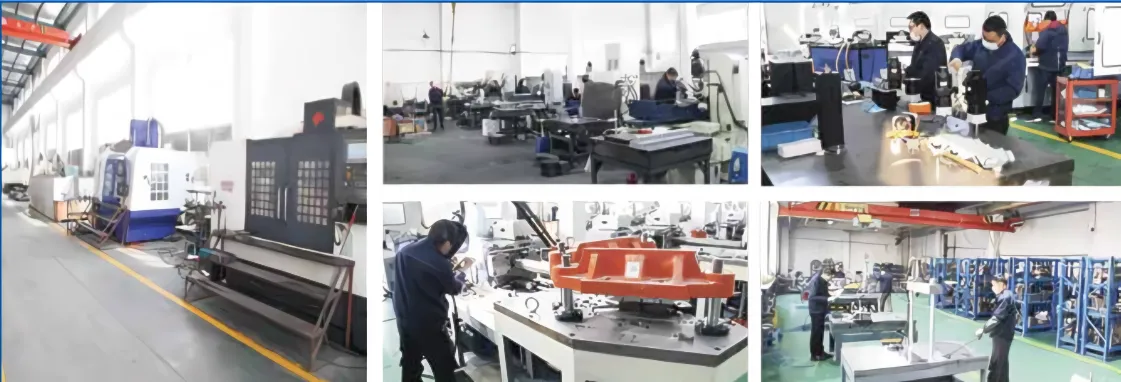
Engineer Your Competitive Advantage
The transition from hydraulic to all-electric technology is not a trend; it is the new standard for high-performance plastic manufacturing. Navigating this shift requires precise operational data and expert engineering insights.