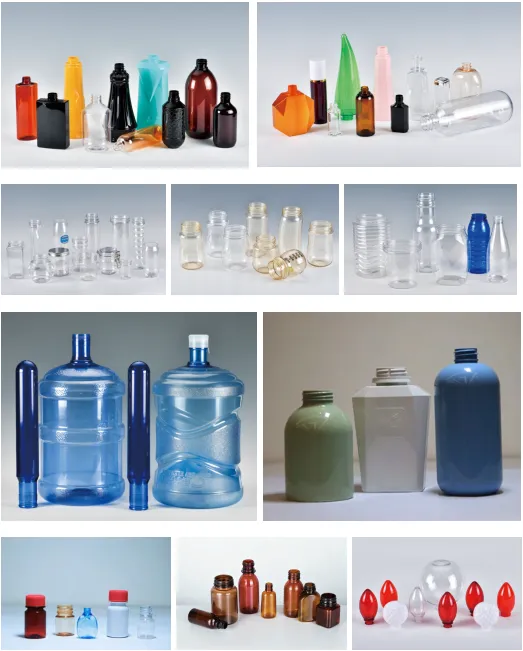
Aynı Malzeme, Neden Farklı Mukavemet?
İki şişe. Aynı PET reçinesi. Aynı duvar kalınlığı. Yine de biri, diğerinin zahmetsizce dayanabildiği basıncın çok küçük bir kısmı altında kırılıyor. Fark kimyada değil, moleküler düzeydeki mimaride.
PET şişeler, germe aşaması olmadan geleneksel enjeksiyonlu şişirme kalıplama yöntemiyle üretildiğinde, polimer zincirleri büyük ölçüde rastgele, amorf bir düzende kalır. Molekülleri her yöne dağılmış gevşekçe sarılmış yaylar olarak düşünün; gerilime direnecek, gaz geçişine izin verecek veya ışığı eşit şekilde dağıtacak koordineli bir yapı yoktur. Sonuç olarak, mekanik olarak zayıf, nispeten opak ve bariyer özellikleri zayıf bir kap elde edilir.
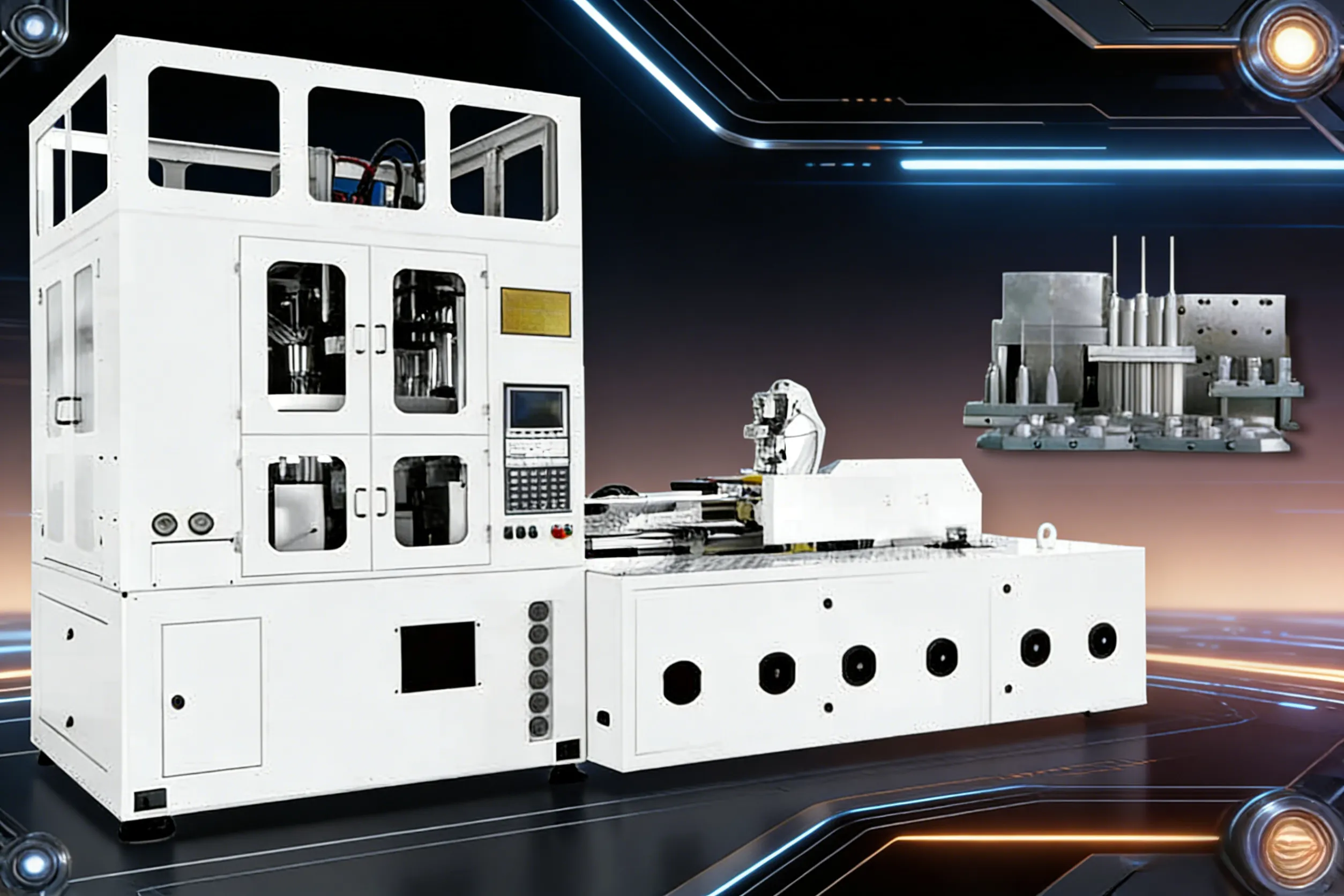
O Enjeksiyonlu Gerdirme Şişirme Kalıplama (ISBM) Bu işlem, üfleme işleminden önce ön kalıba hassas ve kontrollü bir germe kuvveti uygulayarak bunu temelden değiştirir; önce mekanik bir germe çubuğuyla eksenel olarak, ardından yüksek basınçlı hava ile radyal olarak. Bu iki yönlü deformasyon, polimer zincirlerini tekrarlayan, birbirine kenetlenmiş bir kafes yapısında hizalanmaya zorlar. Sonuç olarak, aynı reçineden, tek bir gram malzeme eklenmeden, önemli ölçüde üstün çekme dayanımı, gaz geçirmezlik ve optik şeffaflığa sahip bir malzeme elde edilir.
Bu makale, çift eksenli yönlendirmenin temelini oluşturan moleküler bilimi inceliyor, mukavemet, bariyer ve optik özellikler açısından ölçülebilir performans faydalarını nicelendiriyor ve üretimde yönlendirmenin başarılı olup olmayacağını belirleyen kritik işlem parametrelerini açıklıyor.
Çift Eksenli Yönelim Bilimi
2.1 PET Polimerinin Moleküler Yapısı
Polietilen tereftalat (PET), uzun polimer zincirlerinde düzenlenmiş tekrarlayan ester bağ ünitelerinden oluşan yarı kristal yapılı bir termoplastiktir. Doğal, işlenmemiş halinde — veya sonradan yönlendirme yapılmadan sadece enjeksiyon kalıplama yöntemiyle şekillendirildiğinde — PET, şekilsiz durumZincirler, malzemenin hacmi boyunca tamamen rastgele yönlerde birbirine dolanmış, kıvrılmış ve yönlendirilmiştir.
Bu amorf durumda, zincirler arasında büyük serbest hacim boşlukları bulunur. Gaz molekülleri bu boşluklardan nispeten kolayca geçebilir; uygulanan mekanik gerilim, yük yönüyle hizalanmış olan birkaç zincir üzerinde yoğunlaşır; ve ışık, kristal ve amorf bölgeler arasındaki düzensiz sınırlardan saçılır. Bu yapısal özellikler, yönlendirilmemiş PET kapların zayıf bariyer özelliğine, düşük mukavemetine ve bulanık görünümüne doğrudan yansır.
Şişirme Kalıplamada Çift Eksenli Yönlendirme Nedir?
İki eksenli yönelim Isıtılmış bir termoplastik ön kalıbın aynı anda iki dik yönde gerildiği bir polimer işleme tekniğidir. eksenel olarak (şişenin dikey ekseni boyunca) ve radyal olarak (şişenin çevresi boyunca dışa doğru) — polimer moleküler zincirlerini düzenli, birbirine kenetlenmiş bir kafes yapısına hizalamak için. ISBM'de bu, mekanik bir germe çubuğunun (eksenel yön) ve yüksek basınçlı üfleme havasının (radyal yön) koordineli hareketiyle sağlanır ve yönlendirilmemiş veya tek eksenli yönlendirilmiş muadillerine kıyasla temel olarak iyileştirilmiş mekanik, bariyer ve optik özelliklere sahip bir kap üretilir.
2.2 Tek Eksenli ve Çift Eksenli Yönelim
Her yönelim aynı değildir. Tek eksenli yönelim —Sadece tek yönde gerilme— özellikleri yalnızca o tek eksen boyunca iyileştirirken, aslında dik yönde performansı düşürür. Tek eksenli olarak gerilmiş bir şişe dikey olarak daha güçlüdür, ancak basınç altında veya darbe aldığında yatay dikiş çizgileri boyunca kolayca çatlar. Bu anizotropik zayıflık, basınca dayanıklı kaplar için kabul edilemez.
İki eksenli yönelim Bu sorun, hem eksenel hem de radyal yönlerde gerilme uygulanarak çözülür. Ortaya çıkan polimer ağı, düzlem içi tüm yönlerde gerilime eşit derecede direnç gösterir, tüm yönlerde neredeyse homojen bir bariyer oluşturur ve ISBM şişelerini görsel olarak üstün kılan karakteristik kristal berraklığını üretir. Bu nedenle, mekanik bir germe çubuğunun (eksenel) ve yüksek basınçlı üfleme havasının (radyal) kombinasyonu sadece uygun bir mühendislik çözümü değil, yapısal olarak üstün bir kap için bilimsel bir ön koşuldur.
2.3 Moleküler Yönelim: Üç Aşamalı Bir Diyagram
Şekil 1 — ISBM işlemi sırasında moleküler yönlenmenin üç aşaması
Çift Eksenli Yönlendirme Şişe Mukavemetini Nasıl Artırır?
3.1 Çekme Mukavemeti
Çekme dayanımı, bir malzemenin tek eksenli yük altında parçalanmaya karşı direncini ölçer. Amorf PET'te, zincirlerin yalnızca küçük bir kısmı belirli bir yük yönüyle hizalanmıştır; bu da çoğu zincirin bu gerilime karşı dirence çok az katkıda bulunduğu anlamına gelir; yük, moleküler ağın küçük bir alt kümesi tarafından, kopana kadar taşınır.
Çift eksenli yönelim bunu temelden değiştirir. Zincirleri hem eksenel hem de çevresel yönlerde hizalayarak, şişe duvarındaki hemen hemen her polimer zinciri yük direncine katkıda bulunur. Birbirine kenetlenmiş çapraz yapı, stresi tüm moleküler ağa aynı anda dağıtır.
~50 MPa
~70 MPa
~130 MPa
~200–250 MPa
3.2 Darbe Dayanımı
Çift eksenli yönlendirilmiş moleküler ağ, statik yüklere karşı direnç göstermenin ötesinde, dinamik darbelere karşı da üstün performans sergiler. Düşürülen bir ISBM şişesi yere çarptığında, kinetik enerji hızla birbirine kenetlenmiş polimer kafes boyunca dağılır; bu da tek bir gerilim yoğunlaşma noktasında kırılmak yerine enerjiyi esnetip emmesine neden olur.
3.3 Patlama Basıncı ve Üstten Yüke Dayanıklılık
Gazlı meşrubat (CSD) uygulamalarında, iç basınç direnci belirleyici yapısal gerekliliktir. Doldurulmuş bir CSD şişesi, depolama, taşıma ve raf ömrü boyunca 4-6 bar iç CO₂ basıncına dayanmalıdır; en kötü durumdaki termal genleşme senaryoları için bunun üzerinde zorunlu bir güvenlik payı da bulunmalıdır.
ISBM gazlı içecek şişelerindeki çift eksenli yönlendirilmiş PET duvar, önceden gerilmiş bir kumaş gibi davranır; çevresel polimer zincirleri, yönlendirme işleminden dolayı zaten gerilim altındadır, bu da iç basınçtan kaynaklanan dışa doğru genişlemeye olağanüstü bir verimlilikle direnç gösterdikleri anlamına gelir. Standart bir ISBM 0,5 litrelik gazlı içecek şişesi, 60 bar'ı aşan patlama basınçlarına ulaşarak dolum basıncına göre 10 kattan fazla bir güvenlik faktörü sağlar.
O germe oranı Burada doğrudan bir rol oynar: Eksenel gerilme oranı 2,5–3,0 kat ve radyal (çember) gerilme oranı 3,5–4,0 kat olan şişeler, yönelim yoğunluğu ve yapısal bütünlük arasında en uygun dengeyi sağlar. Bu oranların ötesinde, aşırı yönelim, paradoksal olarak, gerilme kaynaklı mikro çatlamalar yoluyla patlama performansını azaltabilir.
3.4 Duvar Kalınlığı Homojenliği
ISBM makinesinin mekanik germe çubuğu, üfleme havası verilmeden önce hassas bir şekilde kontrol edilen eksenel bir kuvvet uygular. Bu ön germe, PET malzemesini şişenin uzunluğu boyunca dağıtır. önce Radyal genişleme meydana gelir ve bu da malzemenin şişirme kalıbının dibinde birikmesini önler (gerilme olmayan şişirme işlemlerinde sık görülen ve taban birikmesi olarak bilinen bir kusur).
- Üfleme basıncı altında malzeme şişe tabanına doğru hareket eder.
- İnce yan duvarlar, kalın taban — yapısal dengesizlik
- Dengesiz yönelim → tutarsız bariyer performansı
- Yerel gerilim yoğunlaşması riskinin artması → arıza
- Germe çubuğu, üfleme işleminden önce malzemeyi eksenel olarak önceden dağıtır.
- Şişe gövdesi boyunca homojen duvar kalınlığı.
- Tutarlı yönelim → tutarlı engel ve güç
- Tüm boşluklarda daha yüksek boyutlu tekrarlanabilirlik
Gaz Bariyeri Özellikleri: İçeriği Taze Tutar
4.1 Dolambaçlı Yol Etkisi — Yönelimin Gaz Akışını Nasıl Engellediği
Polimer filmlerde ve şişelerde gaz bariyer performansı aşağıdaki faktörlere bağlıdır: çözelti-difüzyon taşınımıGaz molekülleri polimerin içine çözünür, içinden yayılır ve diğer taraftan desorbe olur. Bu taşıma hızı iki faktör tarafından kontrol edilir: gazın polimer içindeki termodinamik çözünürlüğü ve gaz molekülünün polimer mikro yapısı içinde ne kadar kolay hareket edebileceği.
Çift eksenli yönelim, gaz geçirgenliğini önemli ölçüde azaltır. Dolambaçlı Yol EtkisiPolimer zincirleri rastgele düzenlendiğinde (amorf), gaz molekülleri büyük moleküller arası boşluklardan nispeten doğrudan ve düşük dirençli bir yol izler. Zincirler, çift eksenli yönlendirilmiş PET'in birbirine kenetlenmiş çapraz yapısına hizalandığında, gaz molekülleri yoğun, geçirimsiz kristal alanların etrafından dolaşmak zorundadır; etkili difüzyon yolları önemli ölçüde daha uzun ve dolambaçlı hale gelir.
Hızlı difüzyon · Yüksek geçirgenlik
Yavaş difüzyon · Düşük geçirgenlik
4.2 Bariyer Performans Verileri
| Bariyer Özelliği | Amorf PET | ISBM Odaklı PET | Gelişim |
|---|---|---|---|
| CO₂ İletim Oranı (CO₂TR) | ~8–12 cm³/m²·gün | ~1,5–2,5 cm³/m²·gün | 4-6 kat daha iyi |
| Oksijen İletim Oranı (OTR) | ~5–9 cm³/m²·gün·bar | ~0,8–2 cm³/m²·gün·bar | 3-5 kat daha iyi |
| Su Buharı Geçirgenlik Oranı (WVTR) | ~1,5–3 g/m²·gün | ~0,5–1 g/m²·gün | 2-3 kat daha iyi |
| Kristalleşme Derecesi | ~3–5% | ~25–35% | Gerilim kaynaklı |
4.3 Ürün Raf Ömrüne Gerçek Dünya Etkisi
4.4 Çift Eksenli Yönlendirme ve Çok Katmanlı Bariyer Kaplamalar
Bariyer performansını iyileştirmenin yaygın bir alternatif yaklaşımı, EVOH veya MXD6 naylon gibi yüksek bariyerli bir malzemenin ince bir tabakasının PET veya HDPE katmanları arasına yerleştirildiği çok katmanlı ko-ekstrüzyon şişirme kalıplama (EBM) yöntemidir. Etkili olmasına rağmen, bu yaklaşım, çift eksenli yönlendirilmiş tek katmanlı ISBM'nin tamamen ortadan kaldırdığı önemli maliyet ve sürdürülebilirlik dezavantajları taşır.
| Faktör | ISBM Tek Katmanlı Yönlendirilmiş PET | Çok Katmanlı EBM (PET+EVOH) |
|---|---|---|
| Bariyer Kaynağı | Moleküler yönelim | Ayrı bariyer katmanı |
| Geri dönüştürülebilirlik | ✅ Tek malzemeli — tamamen geri dönüştürülebilir | ✗ Karışık malzeme — geri dönüşümü zor |
| Malzeme Maliyeti | Tek reçine — daha düşük hammadde maliyeti | EVOH/MXD6, 15–30% malzeme maliyeti ekler. |
| Süreç Karmaşıklığı | Tek reçine, tek makine | Koekstrüzyon ekipmanı gereklidir. |
Optik Performans: Netlik ve Parlaklık
5.1 Şeffaflık ve Pusluluk
Plastik bir kabın optik şeffaflığı, ışığın saçılmadan ne kadar geçebildiğine bağlıdır. Amorf PET'te, ışık kristal mikro alanlar ve amorf matris arasındaki rastgele dağılmış sınırlarda saçılır; bu da gözle görülür bir bulanıklığa ve şeffaflığın azalmasına neden olur.
ISBM işlemi sırasında, hızlı germe ve soğutma dizisi, kristalinite adı verilen özel bir kristalinite türü üretir. gerilim kaynaklı kristalleşmeYavaş soğutma sırasında oluşan (beyazlaşmaya ve opaklığa neden olan) kaba küresel kristalliğin aksine, gerilme kaynaklı kristal alanlar son derece küçük ve oldukça düzenlidir - görünür ışığın dalga boyunun altındadır. Sonuç olarak, ışık minimum saçılmayla geçer ve ISBM PET şişelerinin değer gördüğü karakteristik su berraklığında şeffaflığı üretir.
5.2 Yüzey Parlaklığı ve Etiket Yapışması
ISBM'nin hızlı, kontrollü germe ve soğutma döngüsü, hem içten hem de dıştan son derece pürüzsüz bir şişe yüzeyi üretir. ISBM PET şişelerinin dış yüzey parlaklık değerleri tipik olarak aşmaktadır. 85 GU (Parlak Birim) Standart enjeksiyon kalıplı PP kaplar için 50-65 GU'ya karşılık, 60°'lik bir ölçüm açısında.
Bu pürüzsüz, parlak yüzeyin pratik faydaları vardır: basınca duyarlı etiketler olağanüstü bir homojenlikle yapışır, kılıf etiketler kırışmadan büzülür ve doğrudan baskı işlemleri (UV inkjet, serigrafi) ISBM PET yüzeylerinde daha pürüzlü EBM alternatiflerine kıyasla daha keskin görüntü kalitesi elde eder.
Optimal Yönlendirme için Kritik Proses Parametreleri
Hedeflenen yönelim seviyesine ulaşmak otomatik değildir; birbirine bağlı beş işlem değişkeninin hassas ve koordineli kontrolünü gerektirir. Her parametre diğerleriyle etkileşim halindedir; birini değiştirmek, optimum çift eksenli yönelim kalitesini korumak için tüm işlem aralığının yeniden değerlendirilmesini gerektirir.
Oryantasyon Riskleri ve Süreç Penceresi
Çift eksenli yönelim ikili bir sonuç değildir; her iki ucunda iki arıza moduyla sınırlanan bir sürekliliktir. Bu sınırlar içinde kalmak işlem penceresi — tüm parametrelerin kabul edilebilir bir yönlendirme sağladığı çalışma aralığı — sıcaklık, germe süresi ve üfleme basıncının eş zamanlı olarak aktif, kapalı devre kontrolünü gerektirir.
Aşırı Yönelim
Neden: Gerilme oranı çok yüksek, ön şekillendirme sıcaklığı çok düşük (zincirleri hareket sınırlarının ötesine zorluyor)
- Stres kaynaklı beyazlama (şişe duvarında sütlü, opak alanlar)
- Yüksek oranda hizalanmış zincir sınırları boyunca mikro çatlaklar
- Patlama basıncında paradoksal azalma
- Artan kırılganlık — şişe darbe anında deforme olmak yerine paramparça oluyor.
Yetersiz Oryantasyon
Neden: Ön şekillendirme sıcaklığı çok yüksek, esneme oranı çok düşük veya yeterli şişirme basıncı uygulanmıyor (zincirler kilitlenmeden önce gevşiyor).
- 5%'nin üzerinde bulanıklık var — şişe kristal berraklığında değil.
- Gaz bariyeri performansı belirtilen özelliklerin altında
- Düşük patlama basıncı — Gazlı içecek şişesi basınç testinden geçemedi.
- Üstten yükleme kötü — şişe üst üste istiflendiğinde ağırlık nedeniyle deforme oluyor.
Optimal Proses Penceresi
Durum: Beş parametrenin tamamı onaylanmış aralıklarda, makine termal dengede, ön şekillendirme boyutları tolerans dahilinde.
- Pus 85 GU
- Patlama basıncı, tasarım özelliklerini ≥20% oranında aşıyor.
- Onaylanmış bariyer spesifikasyonu dahilinde CO₂TR ve OTR
- Duvar kalınlığı CV (varyasyon katsayısı) <5%
Sektör Uygulama Değer Matrisi
Çift eksenli yönlendirmenin performans avantajları, tüm büyük ambalaj endüstrilerinde doğrudan ticari değere dönüşmektedir. Aşağıdaki matris, yönlendirmeden türetilen temel özellikleri, bunlara en çok ihtiyaç duyan sektörlerle eşleştirmektedir.
| Sanayi | Kritik Performans İhtiyacı | İki Eksenli Yönelim Katkısı | Ticari Sonuç |
|---|---|---|---|
| 🥤 Gazlı İçecekler | 6 bar dolum basıncının altında CO₂ bariyeri + patlama basıncı | 4–6 kat CO₂TR azaltımı; yönlendirme ön gerilimli duvar, >60 bar patlama direncine sahiptir. | 6 aydan fazla raf ömrü; premium gazlı içecek formatlarında cam şişenin yerine kullanılabilir. |
| 💧 Maden Suyu | Ezilme dayanımından ödün vermeden hafifletme | Yönlendirme, yeterli mukavemette 10-15 gram duvar ağırlığına olanak tanır; yönlendirilmemiş durumda ise bu ağırlık 25 gramdan fazladır. | Reçine maliyetinde azalma, ulaşım kaynaklı karbon ayak izinde düşüş |
| 💊 İlaç | Çocuk kilidi için kimyasal bariyer + hassas boyun dikişi. | Azaltılmış OTR ve WVTR, API'yi korur; enjeksiyonla şekillendirilmiş boyun, boyutsal doğruluğu sağlar. | USP/EP uyumluluğu; ikincil kurutucu ambalajın ortadan kaldırılması. |
| 💄 Kozmetik ve Kişisel Bakım | Üstün marka sunumu için kristal berraklığı + yüzey parlaklığı | 85 GU parlaklık, gerilme kaynaklı nano kristalleşmeden kaynaklanmaktadır. | Üstün raf görünümü; cam değiştirme konumlandırmasına olanak tanır. |
| 🧃 Meyve Suları ve Süt Ürünleri | Lezzet bozulmasını ve vitamin kaybını önlemek için oksijen bariyeri. | 3-5 kat OTR iyileşmesi, nitrojenle yıkama gerektirmeden lezzet bütünlüğünü korur. | İkincil işleme maliyetlerinde azalma; daha uzun oda sıcaklığında raf ömrü |
| 👶 Bebek ve Çocuk Ürünleri | Güvenlik (BPA içermez), düşmeye dayanıklılık, sterilizasyon uyumluluğu | PETG/Tritan yapısı 1,8 metreden fazla düşme dayanıklılığı sağlıyor; kimyasal inertliği doğrulandı. | Mevzuat uyumluluğu (FDA, AB) + cama kıyasla üstün güvenlik |