Injection blow molding vs injection stretch blow molding is one of the most common questions among packaging manufacturers. Both processes produce high-quality hollow plastic containers, yet they differ significantly in principle, performance, and ideal applications. This comprehensive guide explains the IBM vs ISBM difference in detail, helping you understand their strengths, limitations, and how to choose the right technology for your production needs.
What is Injection Blow Molding (IBM)?
Injection blow molding (IBM) is a two-stage process that begins with injection molding a preform, followed immediately by blow molding the final container shape. The molten plastic is first injected into a preform mold to create a thick-walled tube (preform). The preform is then transferred to a blow mold where compressed air inflates it against the cavity walls. Because there is no axial stretching step, the material orientation is minimal.
Key characteristics of IBM include uniform wall thickness control, suitability for small to medium production runs, and excellent capability for complex shapes with necks or handles. Typical materials include PET, PP, HDPE, and LDPE. Common applications are small cosmetic jars, medical vials, and specialty containers requiring precise neck finishes.
What is Injection Stretch Blow Molding (ISBM)?
Injection stretch blow molding (ISBM) takes the process one step further by adding a mechanical stretching phase. After the preform is injection molded, it is reheated and then axially stretched with a stretch rod while simultaneously being radially expanded by high-pressure air. This biaxial orientation aligns the polymer chains, dramatically improving mechanical strength, clarity, and barrier properties.
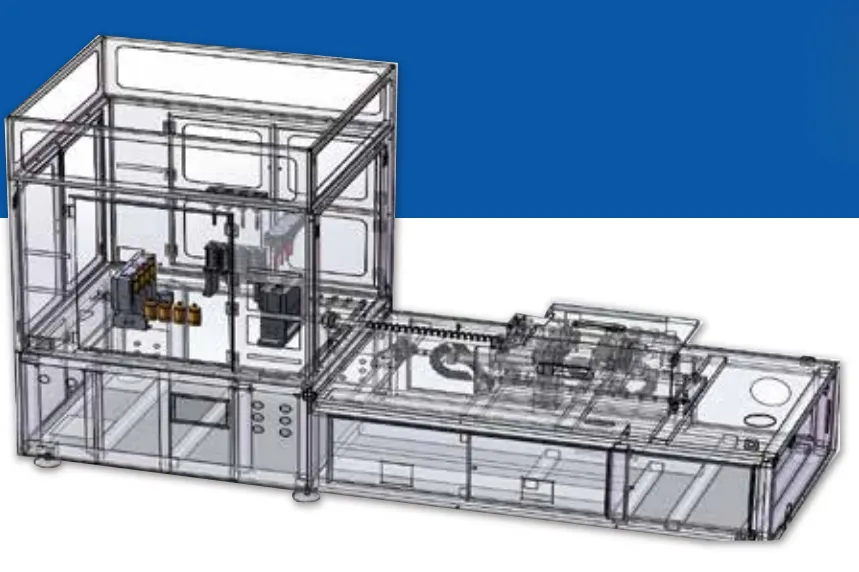
ISBM is available in two main variants: one-step ISBM (all steps in one machine) and two-step ISBM (preforms produced separately and then reheated). The one-step version is particularly popular for its energy efficiency and compact footprint. Materials are mainly PET, PETG, and sometimes PP. Typical products include beverage bottles, cosmetic containers, pharmaceutical bottles, and infant feeding bottles.
Core Process Differences Between IBM and ISBM
The fundamental IBM vs ISBM difference lies in the stretching step:
- Pencetakan Tiup Injeksi (IBM): Preform → Transfer → Blow (no stretching).
- Pencetakan Tiup Peregangan Injeksi (ISBM): Preform → Reheat → Axial stretch + Radial blow.
This single addition creates vastly different molecular structures. IBM produces containers with random molecular orientation, while ISBM creates biaxially oriented containers that are stronger, lighter, and clearer.
Detailed Side-by-Side Comparison
| Aspect | Pencetakan Tiup Injeksi (IBM) | Pencetakan Tiup Peregangan Injeksi (ISBM) |
|---|---|---|
| Process Steps | Injection + Blow | Injection + Stretch + Blow |
| Molecular Orientation | Random | Biaxial (stronger & clearer) |
| Wall Thickness Control | Very uniform | Good but stretch-dependent |
| Mechanical Strength | Moderate | Excellent (up to 3x stronger) |
| Transparency | Bagus | Superior (especially PET) |
| Barrier Properties | Standard | Significantly improved |
| Ideal Production Volume | Small to medium runs | Medium to high volume |
| Typical Applications | Medical vials, small jars | Beverage bottles, cosmetics |
Advantages and Limitations of Each Process
Injection Blow Molding (IBM) Advantages: Excellent neck finish control, uniform wall thickness, suitable for complex shapes, lower tooling cost for small runs.
IBM Limitations: Lower mechanical strength, heavier containers, limited to smaller sizes.
Injection Stretch Blow Molding (ISBM) Advantages: Superior strength-to-weight ratio, outstanding clarity and barrier properties, significant material savings, energy efficient in one-step configuration, ideal for lightweight bottles.
ISBM Limitations: Requires precise temperature control, higher initial tooling investment for stretch rods, less suitable for very complex non-round shapes.
Real-World Applications and Product Examples
Injection blow molding is commonly used for medical vials, dropper bottles, and small cosmetic jars where precise neck dimensions are critical. Injection stretch blow molding dominates the beverage industry (PET water and soda bottles), cosmetic packaging (lotion and shampoo bottles), pharmaceutical containers (syrup and eye-drop bottles), and infant feeding products (baby bottles and sippy cups).
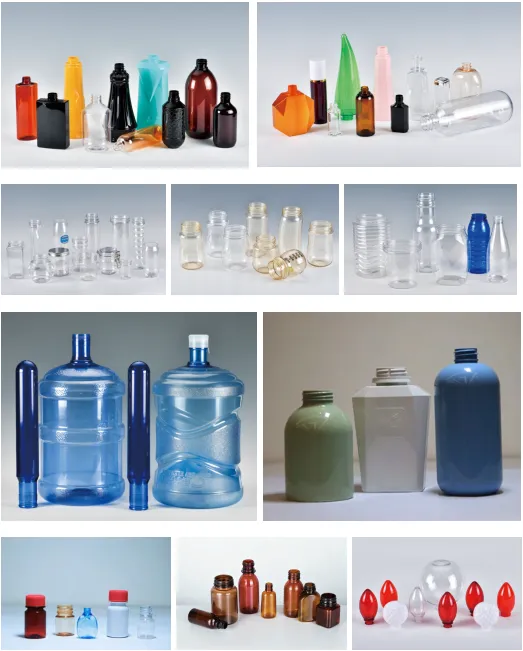
For example, the BPET-94V3 4-station ISBM machine produces up to 4500 ml wide-mouth jars and 5000 ml beverage bottles with excellent clarity and strength, making it a popular upgrade from older IBM systems.
How to Choose Between IBM and ISBM
When deciding between injection blow molding vs injection stretch blow molding, consider these key factors:
- Production volume (small → IBM; large → ISBM)
- Container shape (complex → IBM; round/symmetric → ISBM)
- Material and barrier requirements (high clarity/strength → ISBM)
- Cost targets (lightweighting savings favor ISBM)
For most modern packaging lines requiring lightweight, strong, and transparent bottles, ISBM — especially one-step ISBM machines — is the preferred choice. Manufacturers searching for “when to use injection blow molding vs stretch blow molding” or “ISBM machine vs IBM machine” will find ISBM delivers better long-term ROI.
Conclusion: Making the Right Choice for Your Production
The IBM vs ISBM difference ultimately comes down to molecular orientation. Injection blow molding offers excellent control for complex shapes and small runs, while injection stretch blow molding provides superior strength, clarity, and material efficiency for high-volume lightweight containers. Understanding these differences allows you to select the optimal process for your specific product requirements.
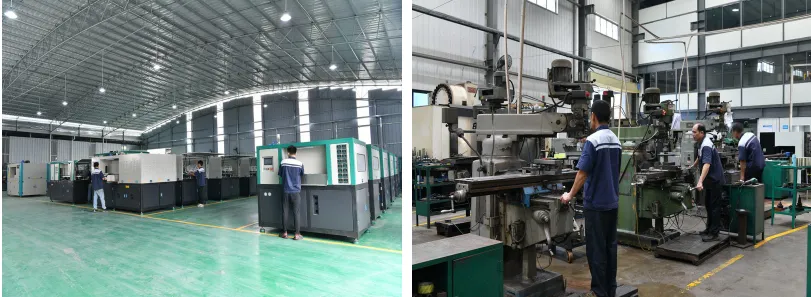
If you are evaluating ISBM equipment for your line, professional suppliers like Ever-power ISBM Machinery can help you choose the right model and provide complete technical support. Feel free to contact our team for personalized recommendations based on your production goals.